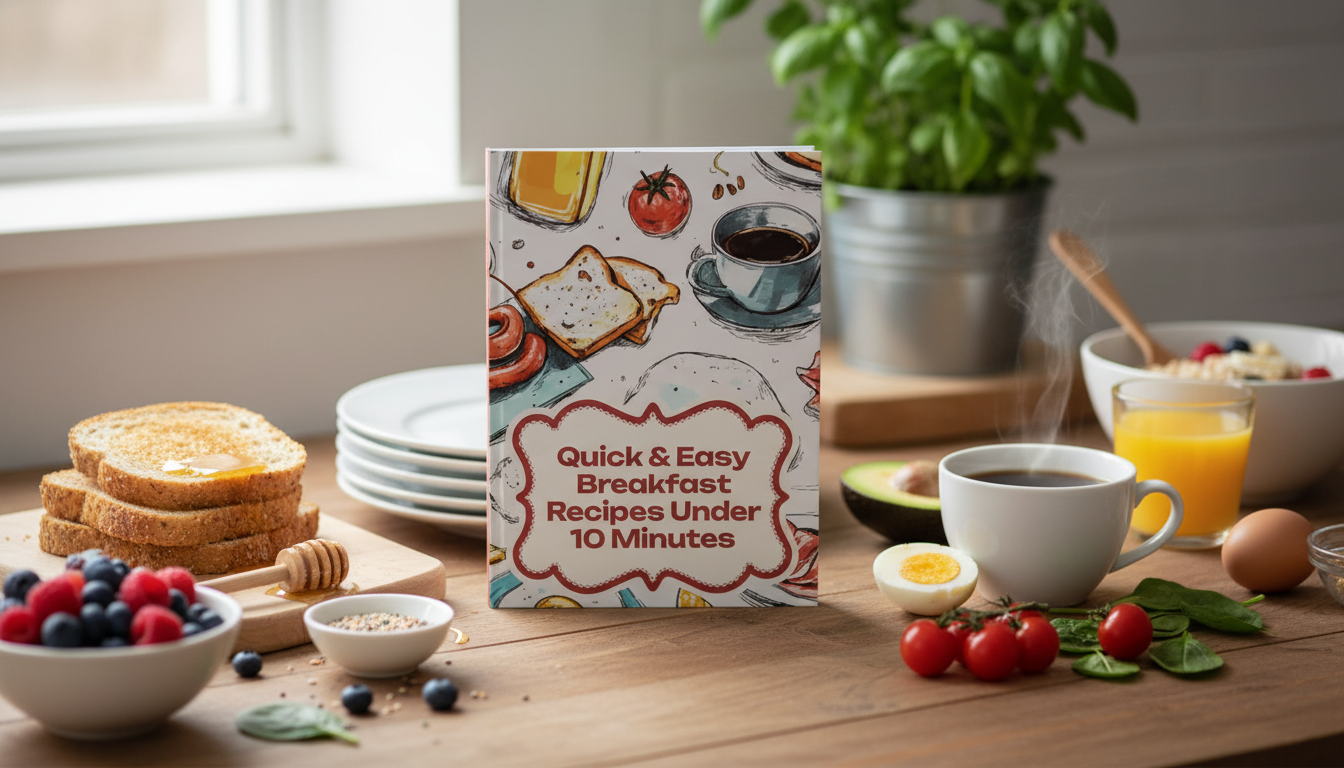
Mornings run smoother with a small set of fast, repeatable breakfast options. A checklist approach keeps it simple: pick a base, add protein, add fiber, and finish with flavor. With a few staples on hand, it’s realistic to build satisfying under-10-minute meals whether you’re cooking for one, meal prepping for the week, or feeding a family that all wants something different.
The fastest breakfasts aren’t random—they’re built from the same building blocks. When you combine protein and fiber (plus a little healthy fat), you’re more likely to feel full and steady through your morning.
If you want a simple reference for balanced plates and portions, the basics from MyPlate and the American Heart Association can help guide everyday choices.
Using a rotation makes mornings easier: repeat favorites two or three times per week to reduce decision fatigue. Keep a short shopping list (two proteins + two fruits + two veggies + two pantry add-ins) and you’ll cover most combinations.
For families, set up a quick “breakfast bar” so everyone customizes without slowing down the kitchen. The goal most days: at least one protein + one fiber-rich item for better fullness.
| Base (2–3 min) | Protein (0–5 min) | Fiber/Produce (0–3 min) | Flavor Boost (0–1 min) |
|---|---|---|---|
| Whole-grain toast | Egg (scrambled/microwaved) | Tomato + spinach | Salsa or hot sauce |
| Greek yogurt | Nut butter or nuts | Berries or banana | Cinnamon + drizzle of honey |
| Overnight oats (prepped) | Chia seeds or yogurt | Apple or frozen berries | Vanilla + pinch of salt |
| Smoothie | Greek yogurt or protein powder | Spinach + frozen fruit | Peanut butter or cocoa |
| Microwave oatmeal | Cottage cheese | Chopped pear | Pumpkin spice or cinnamon |
| Tortilla wrap | Beans or leftover chicken | Shredded lettuce | Lime + taco seasoning |
No-cook doesn’t mean “light.” It means assembling smart combinations with minimal cleanup.
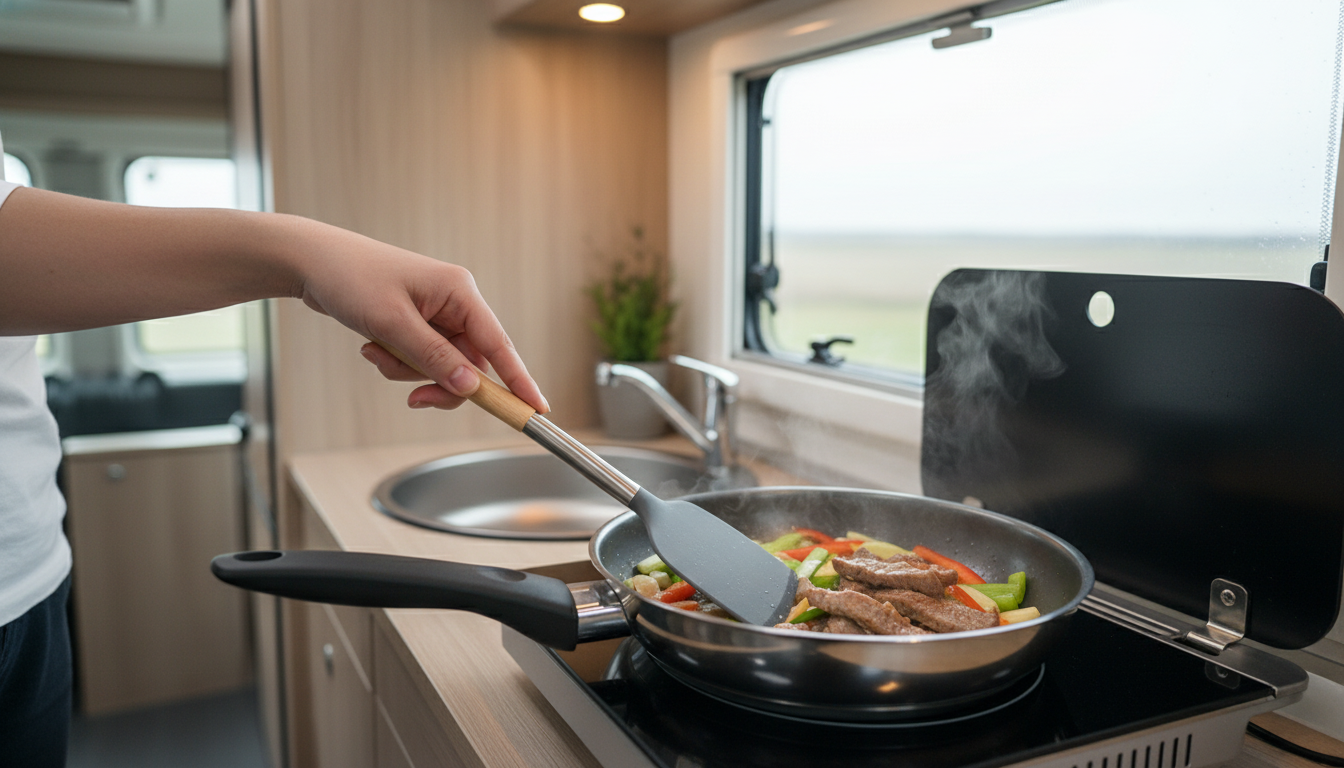
Cooking can still stay inside the 10-minute window if you lean on the toaster, microwave, and one-pan habits.
The most effective meal prep isn’t a week of identical breakfasts—it’s prepping components so you can mix and match quickly.
General nutrition guidance and practical tips for balanced eating are also available from the CDC, especially if you’re building routines that support long-term health goals.
When everyone wants something different, structure matters more than variety. Set up choices inside a simple system.
A healthy fast breakfast typically includes a protein source plus a fiber-rich carb or produce, while keeping added sugars low. Examples include Greek yogurt with berries, eggs with whole-grain toast, or oatmeal topped with nut butter and fruit.
Rely on a few prep-ahead components (washed fruit, hard-boiled eggs, overnight oats, freezer smoothie packs) and fast cooking methods like microwave eggs or toast with quick toppings. With staples ready, most breakfasts become assembly rather than cooking from scratch.
Many prepped items stay best for about 3–4 days refrigerated, while smoothie packs and some cooked items can be frozen longer. Keep wet and dry parts separate (like granola from yogurt) and reheat egg muffins or wraps in short bursts to avoid drying them out.









Leave a comment