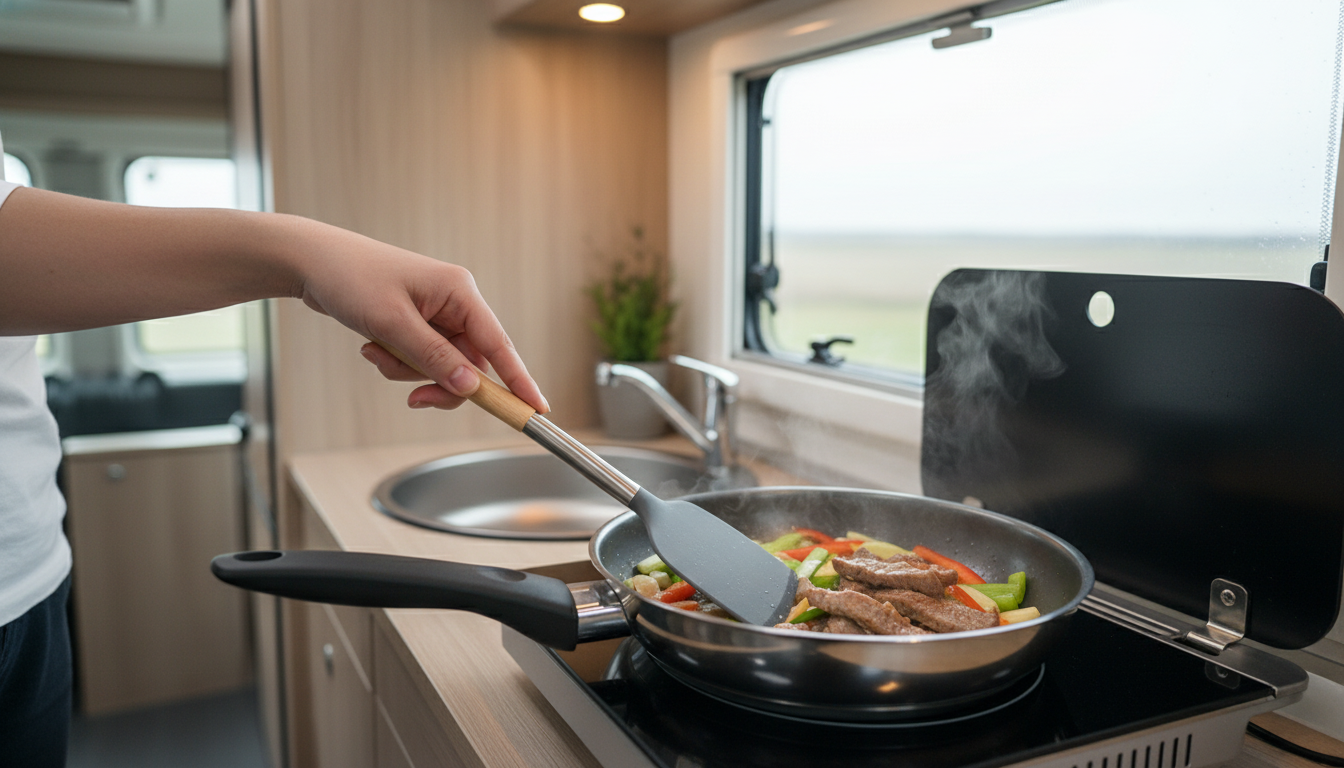
Yes—most quality silicone utensils are designed to handle high heat, but the exact limit depends on the silicone grade and how the utensil is built. Many heat-resistant silicone tools are rated somewhere around 400°F to 600°F, which covers the temperatures you’ll typically encounter while stirring on the stovetop, scraping a pan, or serving from a hot pot.
That said, “heat-resistant” doesn’t mean “invincible.” Silicone can tolerate high temperatures without melting like some plastics, but it can still degrade if it’s left in direct contact with a hot pan for a long time or exposed to an open flame. The safest approach is to treat silicone utensils as cooking tools for stirring, flipping, and scraping—not as items to rest on the edge of a skillet over active heat.
Three practical factors determine how well a silicone utensil holds up in real kitchens:
Even heat-resistant silicone can get damaged when:
For everyday sautéing, stirring sauces, or folding scrambled eggs, silicone is typically a dependable, non-scratch option for nonstick cookware.
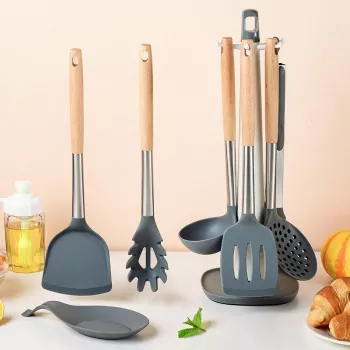
For a deeper look at choosing and using heat-resistant silicone tools (including design features like wooden handles), visit the main guide: https://buttergo.com/guide-8-piece-heat-resistant-silicone-utensils-wooden-handles/.
Yes. Silicone is non-abrasive, so it’s less likely to scratch nonstick coatings compared with metal utensils, as long as the utensil is clean and used normally.









Leave a comment