A modern LED wall sconce can upgrade everyday spaces with cleaner lines, better visibility, and lower energy use. Whether it’s flanking a vanity mirror, replacing a bulky bedside lamp, or keeping a hallway evenly lit, a well-chosen sconce makes the room feel calmer and more intentional. Below are practical guidelines for picking the right style, planning placement, and dialing in brightness and color so the light is comfortable morning through night.
Why a modern LED wall sconce works in multiple rooms
Wall sconces are one of the easiest ways to add “layered” lighting—light that comes from more than one direction—so a space feels balanced instead of harsh.
- Creates layered lighting: Pairs well with ceiling fixtures for a smoother look and fewer sharp shadows on faces and walls.
- Lower energy use: LED technology typically uses less electricity than many traditional bulbs while still producing bright, even illumination (see U.S. Department of Energy LED guidance).
- Frees up surfaces: Great for narrow hallways, compact bedrooms, and small vanities where counter or nightstand space is limited.
- Flexible function: Works as task light (near mirrors), ambient light (soft wall wash), or accent light (highlighting art and textures).
Where to place wall sconces for the best light
Placement determines whether a sconce feels flattering and functional—or distracting and glary. Use these room-by-room starting points, then adjust based on ceiling height and fixture size.
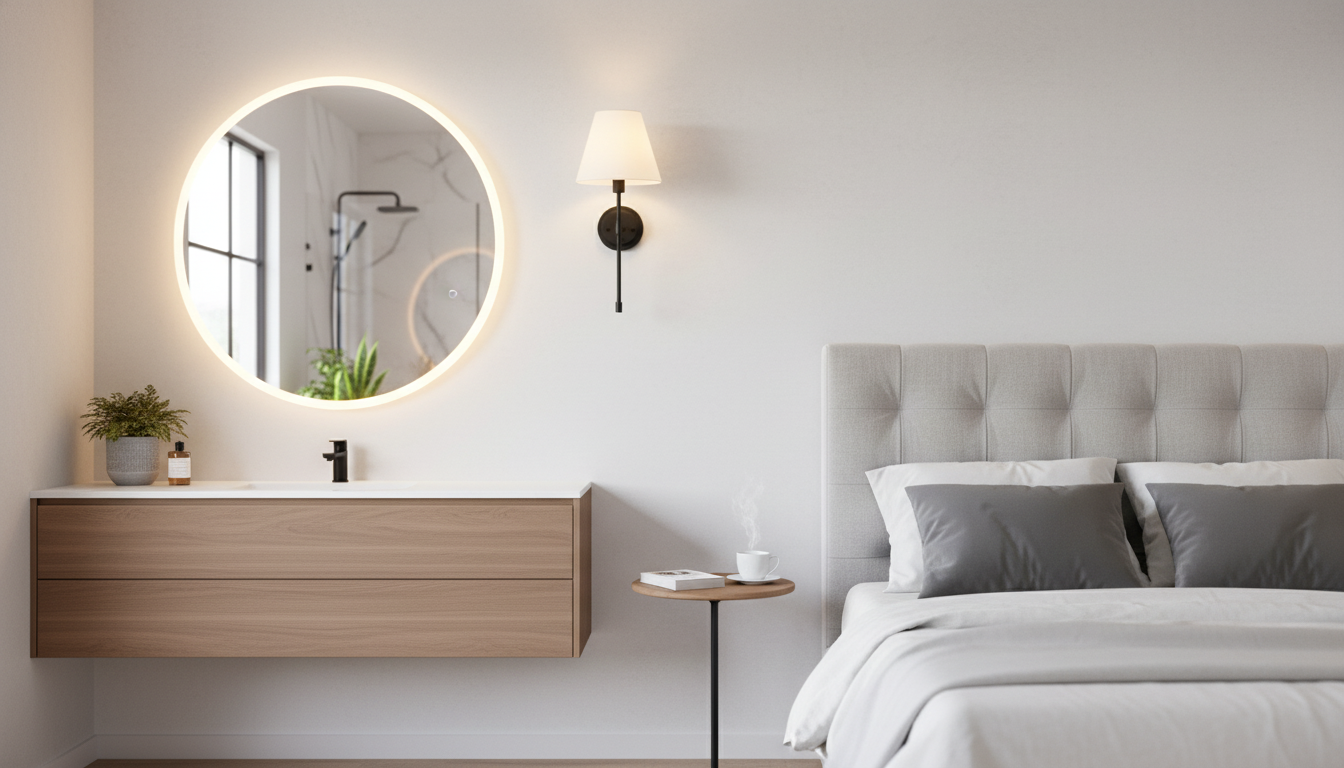
- Bathroom vanity: When possible, place sconces on both sides of the mirror for more even facial lighting; relying on a single overhead fixture often creates under-eye and chin shadows.
- Hallway: Space fixtures to prevent dark gaps. A steady rhythm of light feels more relaxed than “one bright spot” at the center of the corridor.
- Bedroom: Install beside the bed as reading lights or along a feature wall to create a soft evening glow without taking up tabletop space.
- Stairs and landings: Use sconces to improve wayfinding and reduce trips during low-light hours.
- Height guideline: A common starting point is mounting around eye level for comfort, then adjusting for the room and purpose (task vs. ambience).
Choosing brightness and color temperature
Two sconces with the same style can feel completely different depending on brightness and color temperature. Aim for the output that fits the room’s job, and choose a color tone that complements finishes and paint colors.
- Brightness: Go higher for grooming or long hallways; keep it softer for bedside and mood lighting.
- Color temperature: Warm white (about 2700–3000K) suits bedrooms and cozy halls; neutral (about 3500–4000K) often feels crisp for bathrooms.
- Color accuracy: Higher CRI helps colors look natural—useful for makeup, shaving, and clothing selection.
- Dimming: If you plan to dim, confirm the fixture and switch are compatible to reduce flicker and maximize usable dimming range. For general efficiency tips, ENERGY STAR’s lighting resources are a helpful reference: ENERGY STAR Lighting.
Quick room-by-room lighting targets
| Space |
Suggested feel |
Common color temperature range |
Typical goal |
| Bathroom vanity |
Clean and accurate |
3500–4000K |
Clear face lighting with minimal shadows |
| Bedroom bedside |
Soft and relaxing |
2700–3000K |
Comfortable reading light without glare |
| Hallway |
Welcoming and safe |
2700–3500K |
Even coverage for movement and wayfinding |
Materials, finishes, and style details that stay timeless
Modern doesn’t have to feel trendy. A few practical style choices help a sconce age well across remodels and paint-color changes.
Bathroom considerations: moisture, safety, and placement
- Damp/wet ratings: Confirm the fixture rating matches the location, particularly near showers or tubs.
- Placement around water sources: Follow local electrical code requirements and keep fixtures out of prohibited zones. A clear overview is available from InterNACHI: Bathroom Electrical Safety Basics.
- Glare control: Avoid bare LEDs directly at eye level in tight bathrooms; diffusers and thoughtful mounting height improve comfort.
- Steam and cleaning: Choose durable finishes that can handle frequent wiping and humidity without dulling.
Installation tips for a cleaner, more polished result
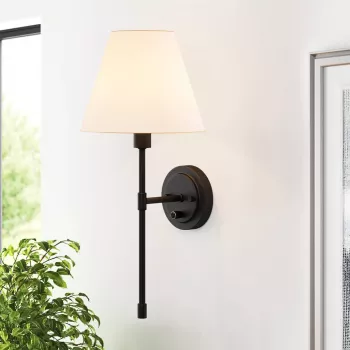
If you want one fixture style that can move from room to room without looking out of place, the Modern LED Wall Sconce Light for Bathroom, Bedroom & Hallway is designed for versatility. It suits a vanity setup, works as a streamlined bedside light, and looks clean along a hallway wall.
Simple styling ideas that make sconces feel intentional
- Mirror pairing: Frame the mirror with matching sconces for symmetry and a completed vanity zone.
- Bedroom balance: Place sconces on both sides of the bed to free nightstand space and create a hotel-like look. Add a small, warm accent nearby such as the Rectangular Wooden Wall Hanging Shelf for Plants and Home Décor for a clean vignette.
- Hallway rhythm: Repeat the same fixture down a corridor for a calm, gallery-style effect.
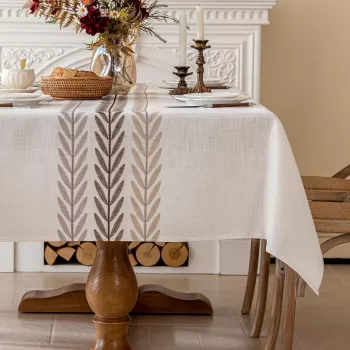
- Texture and softness: Tie the lighting into the room with tactile textiles—like the Embroidered Tassel Cotton Linen Tablecloth for Dining & Home Decor in adjacent dining or console areas—so modern lighting doesn’t feel stark.
FAQ
Are LED wall sconces suitable for bathrooms?
Yes—when the fixture is rated for the environment (damp or wet locations as required) and installed according to local electrical code. Placement should also avoid direct exposure zones near showers and tubs.
What color temperature is best for a bathroom versus a bedroom?
Bathrooms often feel best with a neutral light around 3500–4000K for clarity, while bedrooms usually suit warm light around 2700–3000K for a more relaxing mood. Wall color and personal preference can shift the ideal choice.
How high should a wall sconce be mounted?
A common starting point is around eye level for comfortable light, then adjust based on ceiling height, fixture size, and whether the sconce is primarily for tasks (mirror/bed) or ambient hallway lighting.
Recommended for you










Leave a comment