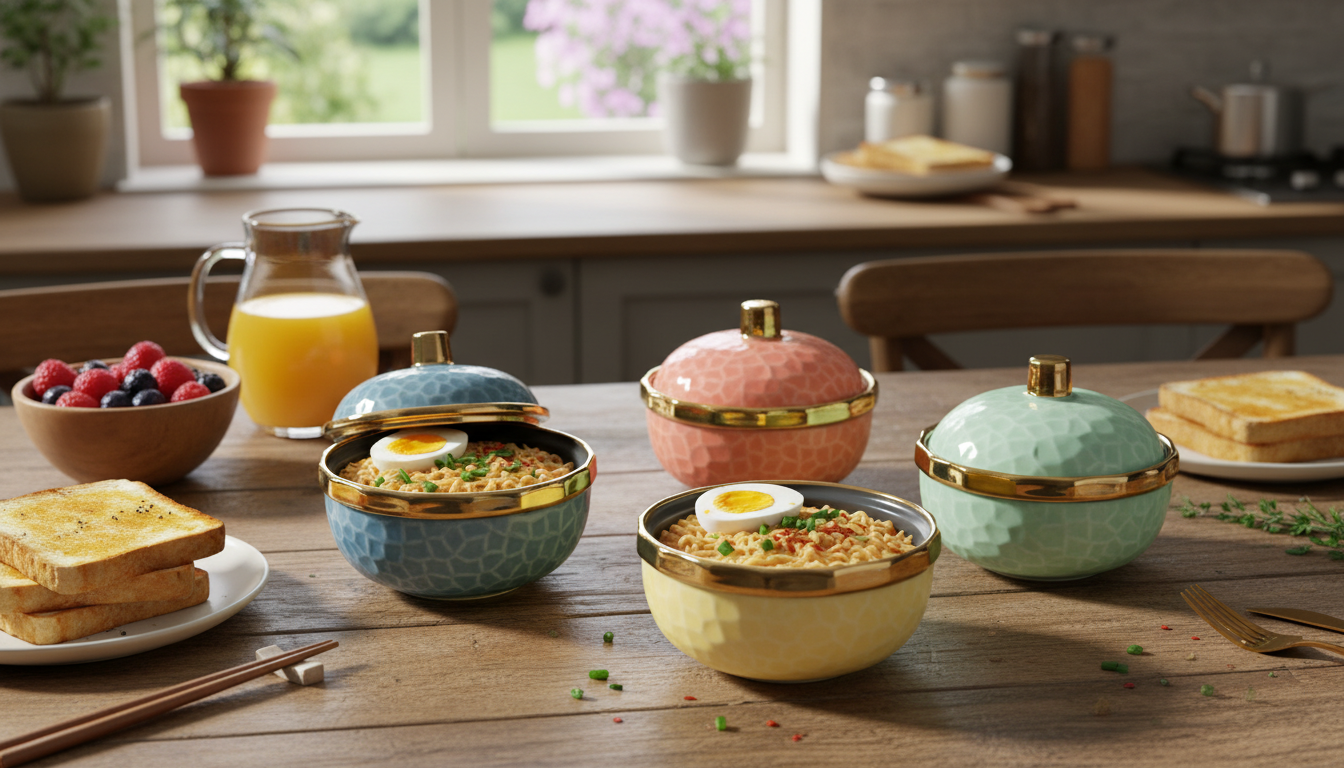
A lidded porcelain pot can simplify everyday meals by moving smoothly from prep to serving. This style of ceramic bowl is designed for hot soups, noodle dishes, and egg-based comfort foods while keeping heat in and mess down—especially helpful for quick lunches, light dinners, and small-batch cooking. Whether it’s a weeknight broth bowl or a slow weekend congee, the lid turns a simple serving dish into a warm, practical little “one-pot” solution.
When a bowl is deep enough for broth and sturdy enough for daily use, it becomes a natural go-to for meals that are better served hot and eaten slowly. A lid adds another layer of usefulness: it reduces heat loss between bites, helps toppings warm through, and keeps the surface from cooling too quickly.
Porcelain is popular for hot foods because it’s typically smooth and non-porous, so it cleans up easily and resists absorbing odors. The best day-to-day experience comes from small details—how the lid sits, how stable the base feels, and whether the shape works for both spoons and chopsticks.
For leftovers and quick reheats, it also helps to follow safe food-handling basics for cooling and storage. The USDA’s guidance on leftovers is a solid reference for everyday home routines: USDA Food Safety and Inspection Service: Leftovers and Food Safety.
The lid is the secret weapon for “assemble and eat” meals: it holds warmth while noodles soften, lets grains rest without forming a dry skin, and keeps soups hot while you step away to grab toppings.
| Meal type | Best for | How the lid helps |
|---|---|---|
| Brothy noodles | Lunch or late-night comfort food | Keeps broth hotter longer; helps steep toppings |
| Soup/stew portion | Solo servings without a big pot | Reduces heat loss between bites |
| Egg dishes | Soft-set textures and gentle warmth | Maintains temperature while resting |
| Grains (oats/congee) | Slow eating, easy second servings | Prevents surface cooling and thickening too fast |
If you regularly serve hot foods at the table, it’s also useful to understand basic hot-holding practices. The FDA Food Code is written for retail settings, but its temperature-holding concepts are a helpful north star: FDA: Food Code (Retail Food Protection) — Hot and cold holding basics. For a quick background on ceramics and why thermal shock matters, this overview is a useful read: Britannica: Ceramic.
| Item | What to know |
|---|---|
| Material | Porcelain (ceramic) |
| Includes | Lid |
| Typical uses | Soup, stew, noodles, egg bowls |
| Listing price | 32.82 USD |
| Stock status | In stock |
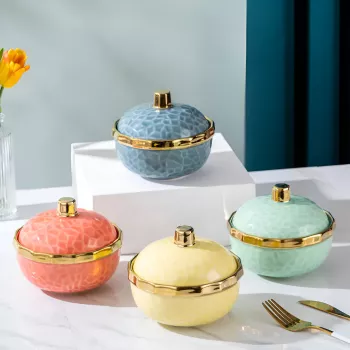
Porcelain Stew & Soup Pot with Lid – Versatile Ceramic Noodle and Egg Bowl is a practical pick when you want one dish that can handle brothy meals, gentle heat retention, and table-ready serving in the same piece.
Porcelain capabilities vary by manufacturer and glaze, so confirm the care instructions for microwave/oven safety before heating. To help prevent cracking, avoid sudden temperature changes such as moving a hot dish directly into cold water.
Brothy noodles, soups, stews, congee/oatmeal, and egg-based bowls are especially good fits because the lid helps retain heat and keeps food warmer between bites. It can also reduce splatter when reheating if the dishware is approved for that use.
Use a non-abrasive sponge and let stuck-on food soak rather than scraping to protect the glossy surface. Rinsing soon after strongly colored broths or sauces helps, and a mild baking soda paste can lift light staining if it appears.








Leave a comment