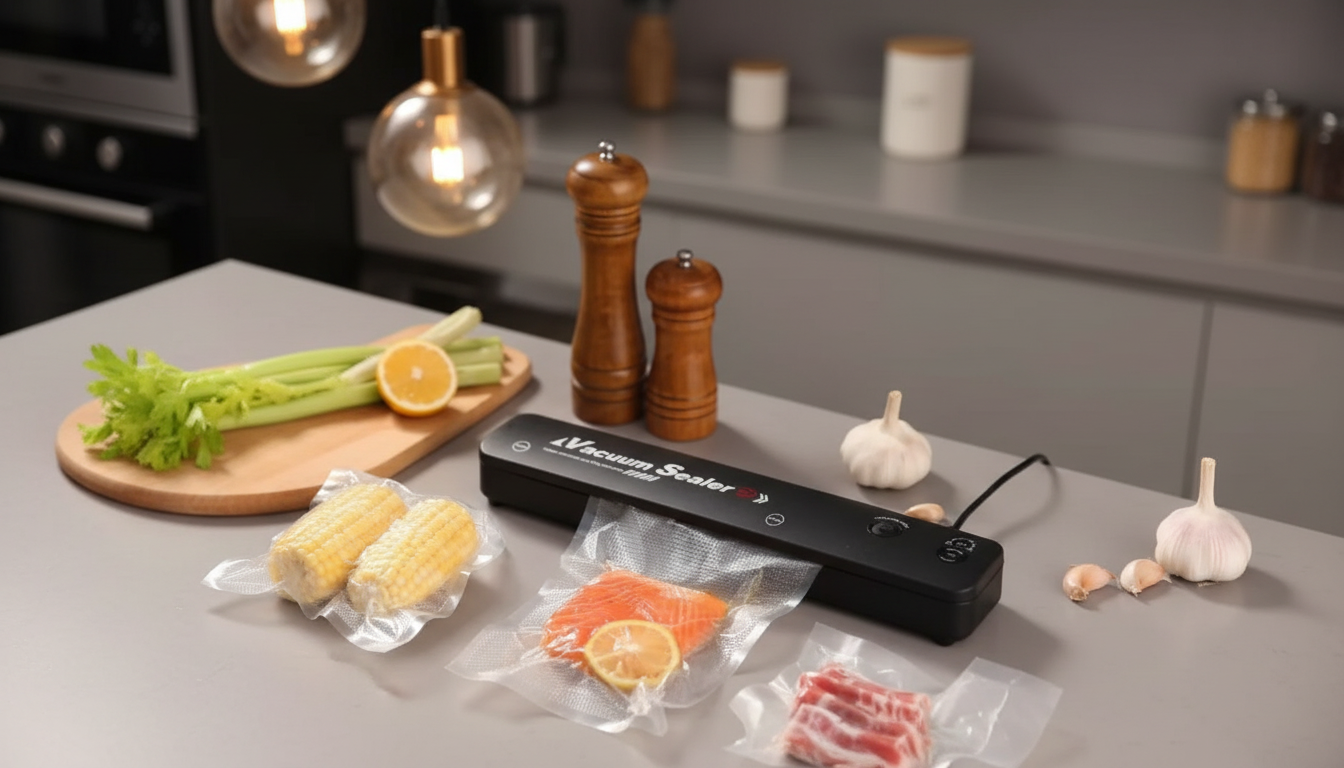
An automatic vacuum sealer can cut down on freezer burn, keep pantry staples fresher, and make meal prep more organized. An 11-inch sealing machine is designed for everyday home-kitchen packing—portioning meats, sealing leftovers, and storing dry goods with a tighter barrier than standard containers or zipper bags. Whether the goal is a neater freezer, fewer stale snacks, or faster weeknight cooking, vacuum sealing turns “one big package” into ready-to-use portions.
A wider sealing strip is a small spec that changes how you pack. With more width to work with, it’s easier to keep bags aligned and seals consistent—especially when packing family-size portions.
Vacuum sealing improves storage quality by reducing the air around food and tightening the packaging barrier. That matters because oxygen and moisture changes are a big driver of flavor loss, staling, and freezer texture issues over time.
For food-safety timelines (what to refrigerate, freeze, and for how long), use authoritative references like the USDA FoodKeeper App, the FDA’s food storage guidance, and the CDC food safety hub.
Once it’s on the counter, vacuum sealing becomes a quick add-on step to the cooking you already do. The best results come from using it for “repeatable” tasks: weekly meal prep, bulk buys, and leftover management.
A clean, straight bag edge and a little headspace are the two biggest factors in a strong first seal. Build a simple routine and the process becomes fast—often under a minute per bag.
Moisture and crumbs are the usual culprits behind seal failures. A few small habits help prevent the “looks sealed, leaks later” problem—especially for freezer storage.
| Food type | Best prep before sealing | Bagging tip |
|---|---|---|
| Raw meat (portions) | Pat dry; portion into meal sizes | Double-seal and freeze flat |
| Berries | Pre-freeze on a tray | Use gentle vacuum if available; avoid crushing |
| Soups/sauces | Chill, then pre-freeze solid | Seal after frozen to prevent liquid pull-in |
| Bread/baked goods | Cool completely | Avoid strong vacuum to reduce squashing |
| Coffee/tea | Keep dry; consider smaller packs | Seal in portions to reduce repeated opening |
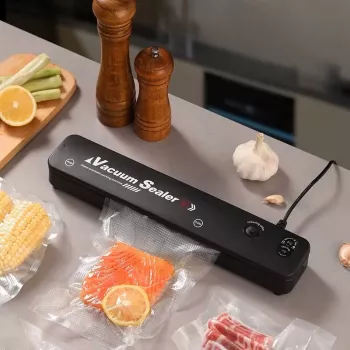
If the goal is a straightforward, everyday solution for portioning and storage, the Automatic Food Vacuum Sealer Machine for Home Kitchen – 11-Inch Seal is built around a wide sealing width that suits larger bags and family-size packing. It’s a practical addition for meal prep, bulk shopping, and organizing freezer and pantry items into compact, stackable packs. For best day-to-day flexibility, keep bags or rolls in multiple sizes on hand so you can match the pack to the food instead of forcing everything into one bag width.
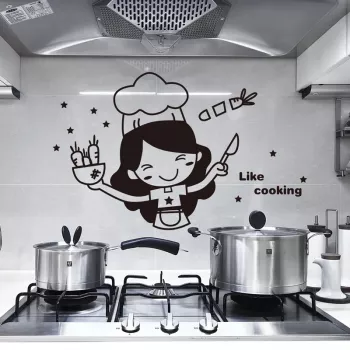
To help the kitchen look as organized as the freezer, add a quick refresh with the Cartoon Chef Kitchen Wall Sticker – Fun Self-Adhesive Mural for Home & Restaurant Decor or set a clean prep-and-serve surface with the Embroidered Tassel Cotton Linen Tablecloth for Dining & Home Decor.
No. Vacuum sealing can help slow quality loss, but perishable foods still need prompt refrigeration or freezing and should be stored and used within recommended food-safety timelines.
Chill liquids first, then pre-freeze soups or sauces until solid before vacuum sealing. Sealing after freezing helps prevent liquid from being pulled into the machine, and wiping the bag edge dry improves the seal.
Wrinkles and leaks usually come from overfilling, moisture or crumbs on the sealing edge, or a bag that isn’t aligned flat in the channel. Leave more headspace, smooth the bag before starting, and double-seal freezer packs for extra security.










Leave a comment