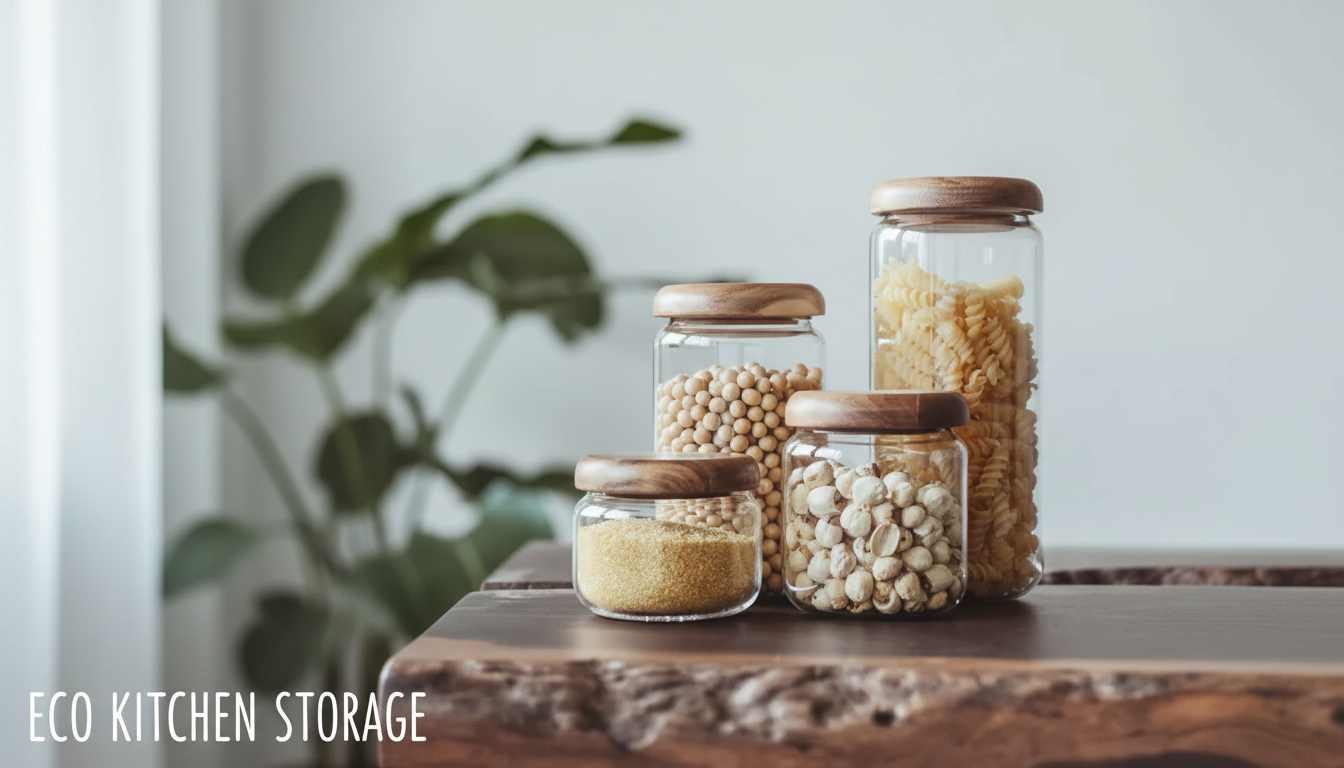
Clear glass jars paired with acacia wood lids bring order to everyday ingredients while keeping staples fresher and easier to find. With one glance, shelves feel less chaotic: no crumpled bags, no mystery containers, and fewer half-used boxes tipping over when you reach for rice. The best part is how practical the setup is—airtight storage for dry goods, a simple zone system for organization, and easy care that keeps glass sparkling and wood looking warm on the counter.
A pantry only stays organized when the containers make daily routines easier. Clear glass jars with wood lids fit naturally into a “use it every day” kitchen, not just a staged one.
For anyone who cooks often, this is less about aesthetics and more about reducing friction: fewer spills, fewer lost ingredients, and less time spent hunting for the “good” bag of brown sugar.
Glass jars with acacia lids shine with dry staples you reach for frequently. Assign jars to categories that match how you cook, and keep the most-used ingredients at eye level.
| Ingredient | Best jar placement | Practical tip |
|---|---|---|
| Flour & sugar | Pantry shelf (mid-level) | Keep a dedicated scoop inside and wipe rims before sealing |
| Coffee & tea | Counter or coffee station | Store away from stove heat and sunlight to protect aroma |
| Pasta & grains | Pantry shelf (lower level) | Group by meal type (Italian, grain bowls, soups) |
| Nuts & dried fruit | Pantry or fridge (optional) | For longer freshness, refrigerate if stored for weeks |
| Spice blends | Dark cabinet or drawer | Avoid placing near the oven; heat speeds flavor loss |
When deciding what belongs in a jar, prioritize what clutters the most: floppy bags, cardboard boxes that tear, and ingredients you use in small amounts but want to keep fresh. For guidance on food safety and storage timelines, consult the USDA FoodKeeper App and the FDA’s food storage and safety resources.
A good seal is less about muscle and more about consistency. An airtight lid should close evenly, stay put during everyday handling, and reopen without needing to pry.
For ingredients with natural oils (like nuts), freshness can drop faster than expected if they sit warm for weeks. If you buy in bulk, consider cooler storage; Harvard’s overview of fats explains why oils can be more prone to quality changes over time (Harvard T.H. Chan School of Public Health).
Airtight jars work best when the pantry has a predictable layout. A zone system makes it easier to put things back where they belong—especially when you’re cooking on autopilot.
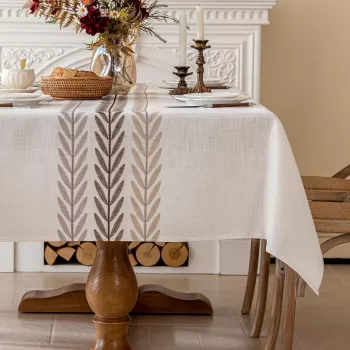
If your jars live on open shelves, consider pairing them with a simple decor foundation like the Rectangular Wooden Wall Hanging Shelf for Plants and Home Décor, or grounding the space with the Embroidered Tassel Cotton Linen Tablecloth for Dining & Home Decor.
| Item | Price | Availability |
|---|---|---|
| Clear Glass Food Storage Jars with Acacia Wood Lids – Airtight Kitchen Containers | $75.51 | In stock |
Yes—acacia is commonly used for kitchenware. Keep lids clean and dry, avoid soaking, and refresh occasionally with a food-safe mineral oil; these jars are best for dry goods.
Avoid sealing hot foods until they’re fully cooled, and skip very wet contents unless the lid is designed for that use. For items that require refrigeration, store them as recommended and use jars primarily for dry pantry staples.
Keep the rim and lid contact points clean and fully dry, and close with steady pressure rather than overtightening. If the sealing component shows wear (where applicable), replace it, and keep lids away from prolonged heat or steam.








Leave a comment