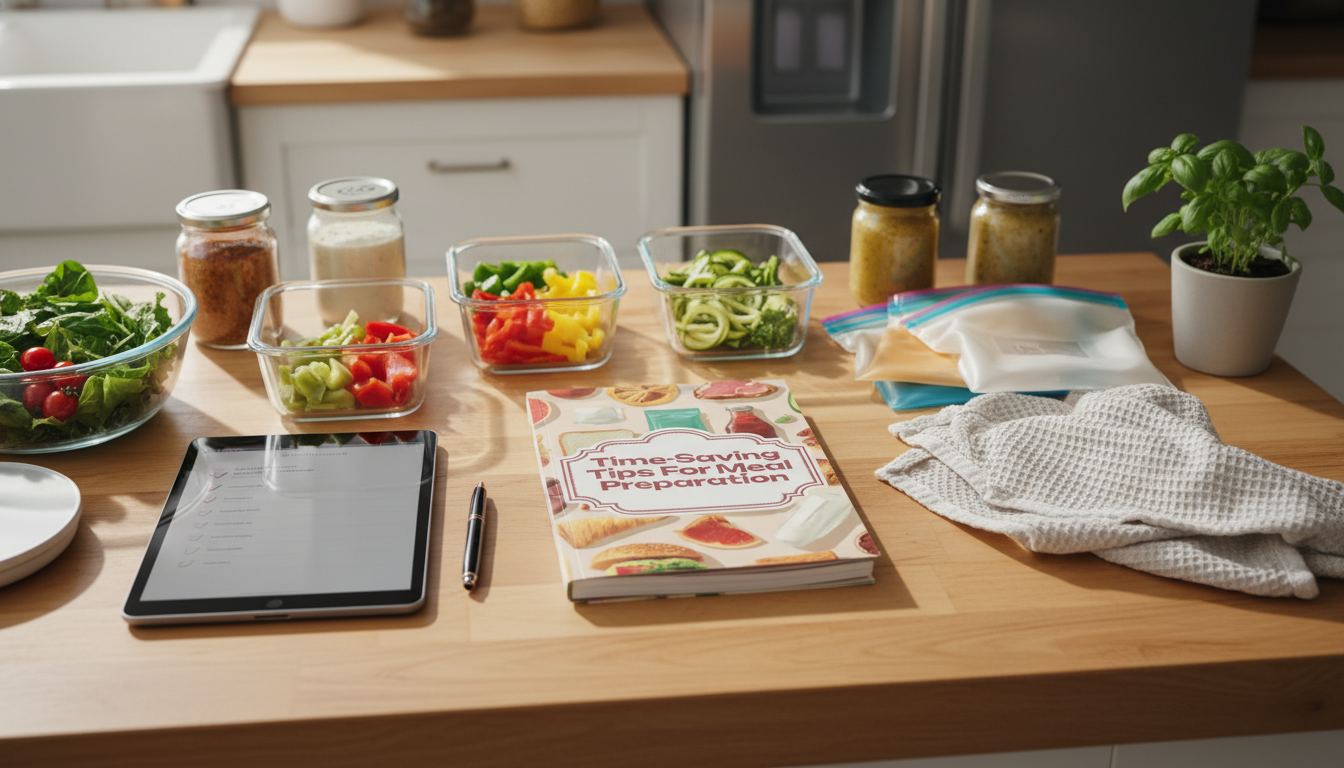
A smooth meal-prep routine doesn’t require hours in the kitchen—it requires a repeatable system. With a simple checklist, a quick kitchen reset, and a few high-impact cooking shortcuts, it’s easier to reduce decision fatigue, cut down daily prep time, and keep meals safe and easy to assemble all week.
The fastest cooks aren’t necessarily faster with a knife—they avoid the stop-and-start friction that comes from clutter, missing containers, and cleanup that piles up mid-prep. A quick kitchen reset creates a clean runway so you can move through tasks without constant backtracking.
| Minute | Task | Why it saves time |
|---|---|---|
| 0–3 | Clear counters and unload dishwasher (or rack) | Prevents tool pileups and delays |
| 3–6 | Set scrap bowl + line a sheet pan with foil/parchment | Cuts cleanup and pan scrubbing |
| 6–10 | Lay out containers and labels | Avoids hunting for lids mid-prep |
| 10–12 | Fill sink with hot soapy water (or start dishwasher cycle) | Enables clean-as-you-go |
| 12–15 | Pull ingredients for first recipe only | Reduces overwhelm and mistakes |
Instead of planning seven separate recipes, plan a small set of components that can become multiple meals. The goal is flexibility: if Tuesday goes sideways, you can still assemble something good in five minutes.
Example mix-and-match set: shredded chicken + baked tofu; roasted broccoli + cucumber-tomato salad; rice + tortillas. From there, you can rotate sauces and toppings to make bowls, wraps, salads, and quick stir-fries without starting from scratch.
Meal prep speeds up when it follows a predictable assembly line. The more often you repeat the same flow, the fewer micro-decisions you have to make (and the less likely you are to forget something in the back of the fridge).
Food safety matters during the cool-and-pack step. For practical storage timeframes and safe handling, use guidance from the USDA Food Safety and Inspection Service and the FDA refrigerator/freezer storage chart.
To make a visible “prep zone,” consider using a compact wall shelf for your most-used items—labels, a marker, salt, and a small bin for snack portions. The Rectangular Wooden Wall Hanging Shelf for Plants and Home Décor works well as a dedicated landing spot so your routine doesn’t get buried in countertop clutter.
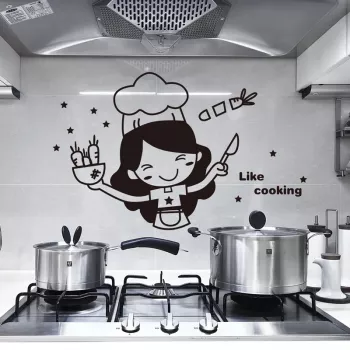
If motivation drops midweek, make the space pleasant to return to. A playful visual can nudge you back into the habit loop—something like the Cartoon Chef Kitchen Wall Sticker – Fun Self-Adhesive Mural for Home & Restaurant Decor adds a simple “this is my prep corner” cue without taking up any workspace.
| Day | Time | Focus | Example tasks |
|---|---|---|---|
| Sunday | 60–90 min | Anchor prep | Cook grains + roast veggies + bake/air-fry protein; wash greens; portion snacks |
| Monday | 10 min | Assemble | Build bowls/salads from prepped components; add sauce |
| Wednesday | 15–25 min | Mini-prep refresh | Quick stir-fry or sheet-pan vegetables; hard-boil eggs |
| Friday | 10 min | Use-first cleanup | Turn leftovers into wraps, omelets, or soup; freeze extras |
| Saturday | 5–10 min | Reset | Inventory pantry/fridge; note what to buy next week |
If you want a ready-made option, the Time-Saving Tips for Meal Preparation Checklist (digital download) is designed for quick planning, simple prep flows, and repeatable organization—so you can keep the routine steady even during packed weeks.
For many cooked leftovers, a common practical range is about 3–4 days when promptly refrigerated; label containers with the date and freeze extra portions if you won’t eat them in time. Use sight and smell only as secondary checks, and follow established food-safety guidance when in doubt.
Go with mix-and-match components you can assemble fast: a cooked protein, a vegetable, and a carb base (plus a sauce). Reliable low-time combos include chicken + bagged salad + microwavable rice, tofu + frozen stir-fry veg + noodles, or tuna + tortillas + crunchy slaw.
Cool cooked food before sealing, keep sauces separate, and store crunchy add-ins (nuts, croutons, slaw) in their own container until serving. Choose ingredients that hold texture well—roasted veggies, sturdy greens, and grains—and assemble “wet + dry” right before eating.









Leave a comment