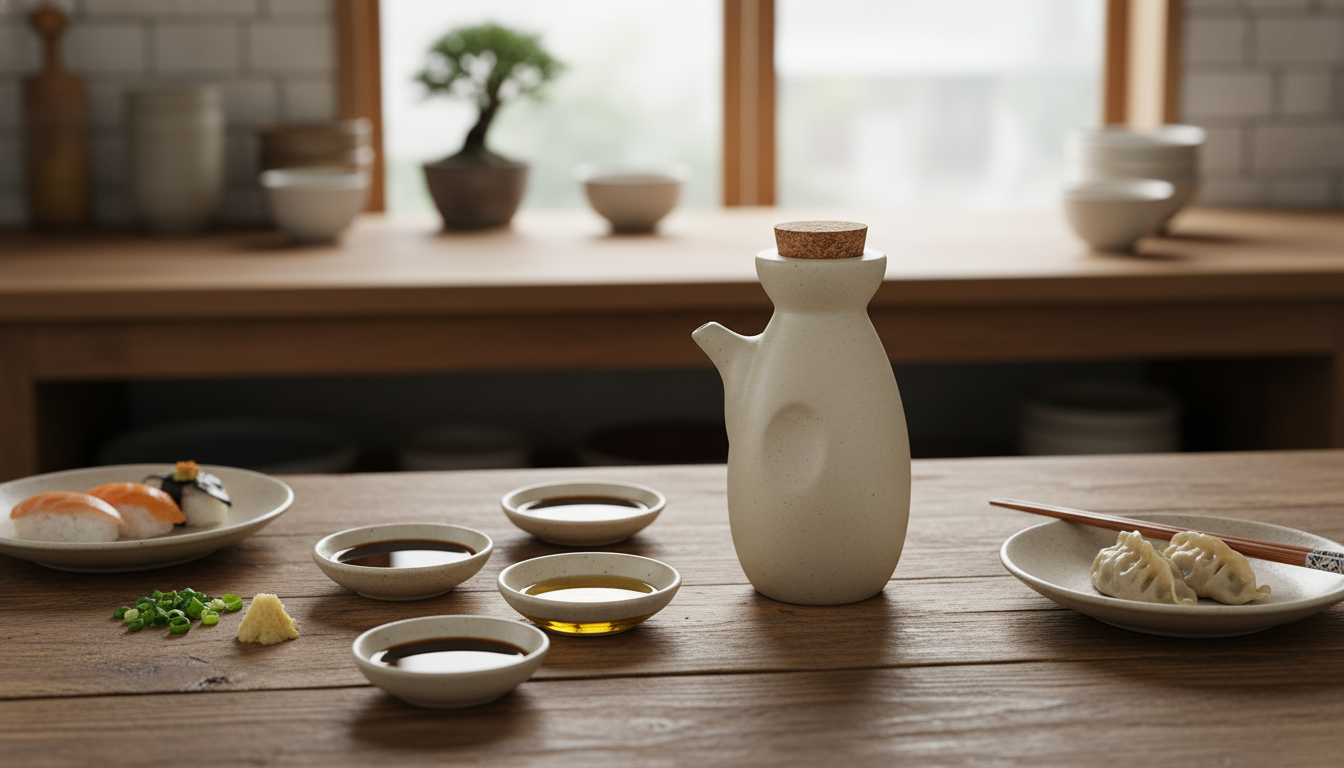
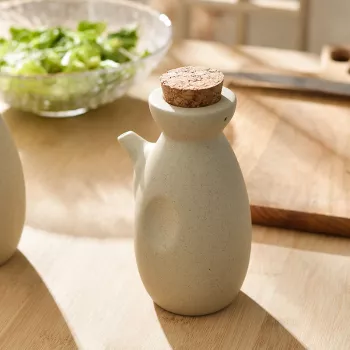
A ceramic dispenser can make daily cooking cleaner and more precise while adding a warm, retro accent to the countertop. This Japanese-style pot is designed for oils, soy sauce, and vinegar, with an easy-to-grip shape and a controlled spout for smooth, drip-minimized pouring. Instead of reaching for multiple store bottles (and dealing with slippery labels and messy caps), a dedicated ceramic pourer keeps your most-used liquids ready for quick seasoning, sautéing, and table service.
Small upgrades often have the biggest day-to-day impact. A well-shaped dispenser is one of those tools that quietly improves your routine—especially if you cook frequently or like a tidy, styled counter.
For general food handling and storage best practices, reference guidance from the FDA and the USDA FoodKeeper App, especially if you keep specialty oils or infused liquids on the counter.
This style of dispenser shines when you want controlled pouring—enough for a steady stream, but easy to stop without a messy “last drip.” It’s a natural fit for everyday liquids that you use in small, frequent amounts.
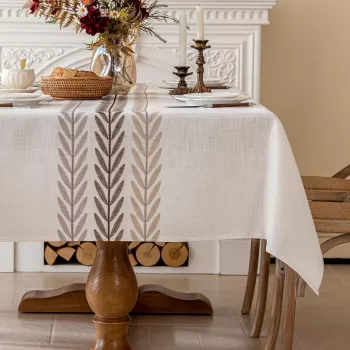
If you like a coordinated countertop setup, pair the dispenser with a clean, textured dining surface like the Embroidered Tassel Cotton Linen Tablecloth for Dining & Home Decor for a soft, retro-meets-natural look.
A ceramic pourer is designed for smoother dispensing, but technique still matters—especially with thicker liquids or sweetened sauces. A few small habits can noticeably cut down on drips and sticky buildup.
For table service, place the dispenser on a small dish or tray if you’re serving saucy foods—this keeps the table neat and makes cleanup faster after meals.
Keeping a ceramic dispenser fresh is straightforward, but oils can leave a film over time and strong aromatics (like garlic or chili) can linger if not cleaned thoroughly. The goal is a clean interior, a clear spout, and a fully dry neck before refilling.
| Situation | What to do | Why it helps |
|---|---|---|
| First time use | Wash, rinse well, and fully dry before filling | Removes dust and ensures clean flavor |
| Using thick sauces | Pour slowly and keep the spout clean | Reduces drips and sticky residue |
| Switching liquids | Clean thoroughly and air-dry overnight | Prevents flavor transfer |
| Oil film inside | Warm soapy soak, then rinse with hot water | Breaks down grease more effectively |
| Long-term storage | Empty, clean, dry, and store uncapped | Avoids trapped odors and moisture |
To frame the setup vertically, add a simple display surface like the Rectangular Wooden Wall Hanging Shelf for Plants and Home Décor. It’s an easy way to keep essentials accessible while freeing counter space.
If you’re upgrading from original packaging bottles or plastic squeeze containers, the Japanese Ceramic Oil Dispenser – Retro Soy Sauce & Vinegar Pot is designed for everyday kitchen use—cooking, finishing, and table serving. It’s a practical add-on for a quick kitchen refresh and also makes a useful housewarming gift for anyone who loves cooking with oils, vinegar, or soy sauce.
Yes. For best flavor and easier cleaning, it’s ideal to use separate dispensers for oil and soy sauce if you use both frequently.
Avoid overfilling, start with a gentle pour angle, and wipe the spout after each use. Thicker liquids usually drip less when poured more slowly.
Soak briefly with warm water and a degreasing dish soap, then rinse thoroughly and air-dry completely. If any film remains, repeat with hotter water and a bit more soap.









Leave a comment