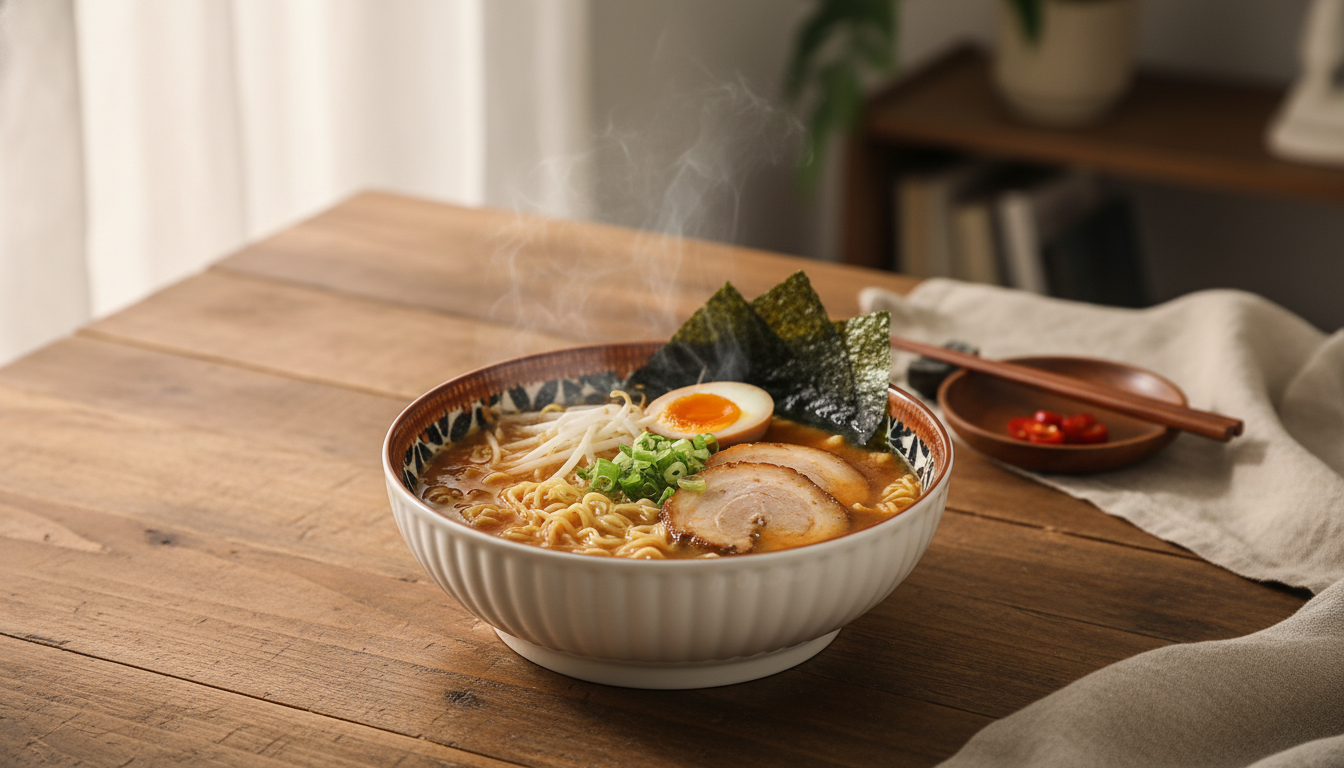
A wide, deep bowl changes how soups, noodles, and rice dishes feel at the table—more room for broth, toppings, and comfortable stirring without spills. This 9-inch handmade Japanese ceramic soup bowl brings a retro look with a large-capacity shape suited for ramen nights, cozy stews, and everyday meals that deserve a more substantial vessel. For more guidance, see 6 Pack Retro Ceramic Bowls, Hand-painted 4.5 Inch Japanese Style ….
“Large capacity” isn’t only about diameter—it’s the combination of width, depth, and the way the curve supports liquid and ingredients. A 9-inch bowl can feel especially generous when the profile is designed to keep broth stable and toppings accessible. For further reading, see 5-239-6 Soup Bowl, Black (Black, φ4.7 x H3.1 inches (12.1 x 8.0 cm ….
If you enjoy meals with multiple components—noodles plus vegetables, protein, and a seasoned broth—the extra surface area keeps everything from piling into the center.
A wide bowl earns its keep when meals have both volume and variety. It’s built for brothy dishes, but it’s just as useful for saucy rice bowls and even casual entertaining.
| Dish | What the bowl adds | Serving tip |
|---|---|---|
| Tonkotsu ramen | Space for broth, noodles, chashu, and egg | Warm the bowl with hot water before serving to help retain heat |
| Udon noodle soup | Wide top for lifting noodles without splashing | Place toppings near the rim for easy bites |
| Miso soup (large portion) | Keeps tofu/seaweed from crowding | Serve with a small side plate for pickles |
| Curry rice | Holds sauce without spilling over the edge | Spoon curry to one side to keep rice texture intact |
| Hot pot leftovers | Accommodates mixed ingredients comfortably | Add broth last to control fill level |
For a little food history while planning your next noodle night, Smithsonian Magazine’s overview of ramen’s origins is a helpful read: A Brief History of Ramen.
Retro table settings often feel inviting because they lean into warmth—earthy tones, tactile surfaces, and materials that look better under soft lighting than stark, glossy finishes. A larger bowl also adds visual “weight,” which can make even simple meals look intentionally plated.
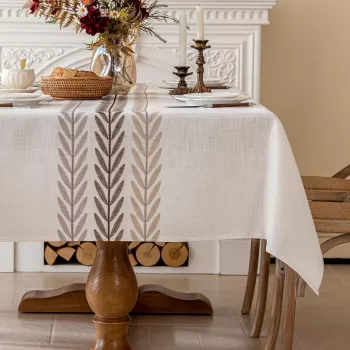
To round out the look, layer the table with a soft textile such as the Embroidered Tassel Cotton Linen Tablecloth for Dining & Home Decor, then keep surrounding décor minimal so the glaze and shape stand out.
Handmade ceramic has a character that factory-perfect pieces don’t—subtle variations in glaze flow, texture, and contour that make the bowl feel collected rather than mass-produced. A few practical details also make everyday use more comfortable.
For safety context on ceramics and food contact, the U.S. Food & Drug Administration provides guidance on lead in ceramicware here: FDA — Lead in Ceramicware.
For a single bowl that can handle ramen night, weekend stews, and comfort-food portions without feeling cramped, the 9-Inch Handmade Japanese Ceramic Soup Bowl – Large Capacity Retro Tableware is designed around that generous, wide-and-deep profile.
| Detail | Value |
|---|---|
| Product page | View product |
| Price | 56.51 USD |
| Availability | In stock |
| Size | 9-inch bowl (diameter) |
| Style | Handmade, retro tableware |
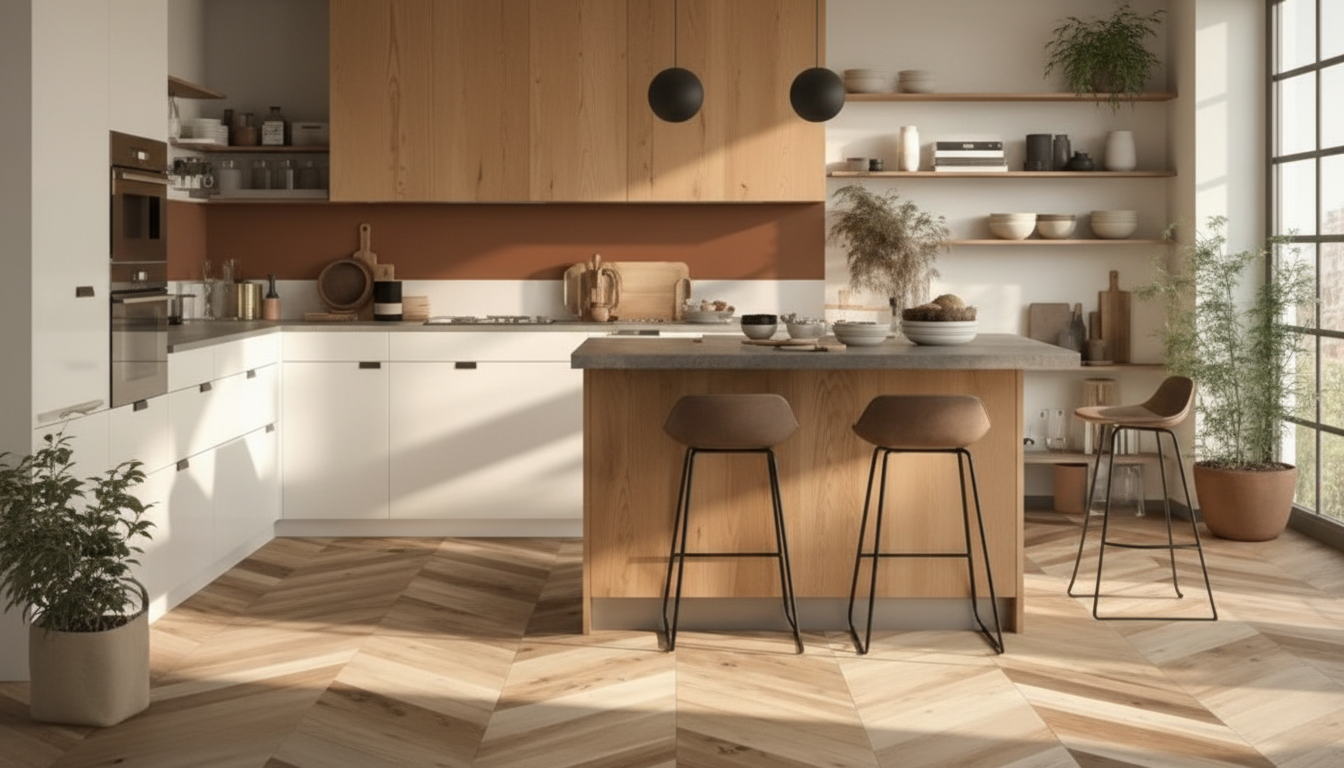
To build an easy dining nook vibe beyond the tabletop, add a simple backdrop like the Rectangular Wooden Wall Hanging Shelf for Plants and Home Décor for small plants, cookbooks, or neatly stacked dishes.
It depends on how you eat day to day. A 9-inch bowl is ideal when soup or noodles are the main meal, and it can also work for salads or shared sides, but smaller portions may feel oversized.
Slight differences in glaze tone, texture, and shape are normal with handmade pieces and are part of the crafted look. These variations are typically aesthetic and don’t usually affect everyday performance.
Rinse promptly after use, wash with mild detergent, and avoid harsh abrasives that can dull the glaze. For some stains or utensil marks, a gentle baking soda paste can help, and the bowl should be fully dried before storing.








Leave a comment