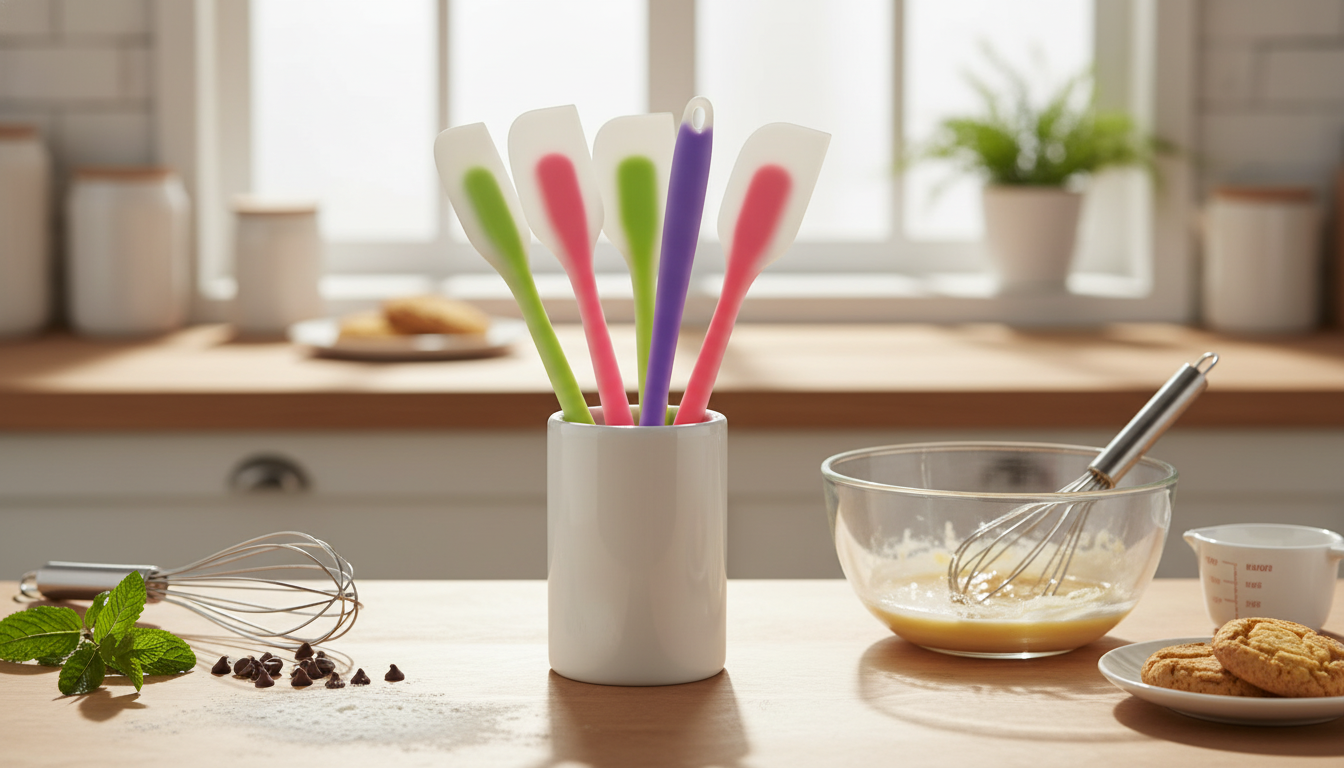
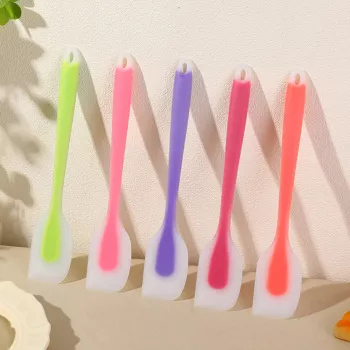
A reliable spatula can be the difference between smooth batters and scorched cookware. This high-temperature silicone baking spatula with a translucent head is designed for everyday mixing, folding, scraping, and sautéing—especially when heat resistance and gentle contact with nonstick surfaces matter. From thick brownie batter to delicate custard, a well-made silicone spatula helps keep texture consistent while making cleanup faster and less wasteful.
Not all spatulas handle heat, friction, and repeated washing equally. A high-temperature silicone option is built for the moments where thin plastic tools can soften and where metal tools might damage cookware.
Designed for baking and stovetop prep where heat tolerance and gentle scraping are priorities, this translucent silicone spatula fits naturally into daily cooking: mixing bowls, saucepans, sheet pans, and small appliance inserts.
| Feature | What to look for | Why it matters |
|---|---|---|
| Heat resistance | High-temperature silicone rated for cooking tasks | Helps prevent softening or deformation near hot pans and mixtures |
| Head flexibility | Thin, pliable edge with supportive core | Scrapes cleanly without collapsing under thicker doughs |
| Cookware compatibility | Non-scratch silicone surface | Protects nonstick, anodized, and ceramic coatings |
| Visibility | Translucent head | Easier to see residue and confirm a thorough scrape |
| Cleaning | Non-porous, rinse-clean surface; dishwasher-safe if supported | Speeds cleanup and reduces lingering odors |
A high-temperature silicone spatula is one of those tools that quietly does dozens of jobs well. The translucent head also helps when you’re checking whether you fully incorporated ingredients or left a pocket of flour behind.
Technique matters as much as the tool. A silicone spatula shines when it’s used to control airflow, reduce streaks, and keep mixes consistent.
Silicone is known for easy cleanup, but good habits keep it looking and smelling fresh—especially with strongly flavored foods.
Food-grade silicone is widely used in kitchen utensils and bakeware because it remains stable over typical cooking temperatures. For additional background on food-contact materials, review the FDA’s regulations on polymers used with food: FDA: Indirect Food Additives—Polymers (21 CFR Part 177). For a general overview of silicone materials, the American Chemical Society provides helpful context: American Chemical Society: Silicone polymers overview.
Yes, for typical stovetop tasks when the silicone is rated for high temperatures. Avoid direct flame, and don’t leave it resting on a hot rim or in an empty hot pan for extended periods.
It can, especially with strongly pigmented sauces or oily foods. Prompt washing and occasional baking-soda soaks help reduce lingering stains and smells over time.
Generally, yes—silicone is considered non-scratch and is commonly recommended for nonstick and ceramic surfaces. It helps reduce coating wear compared with metal utensils.









Leave a comment