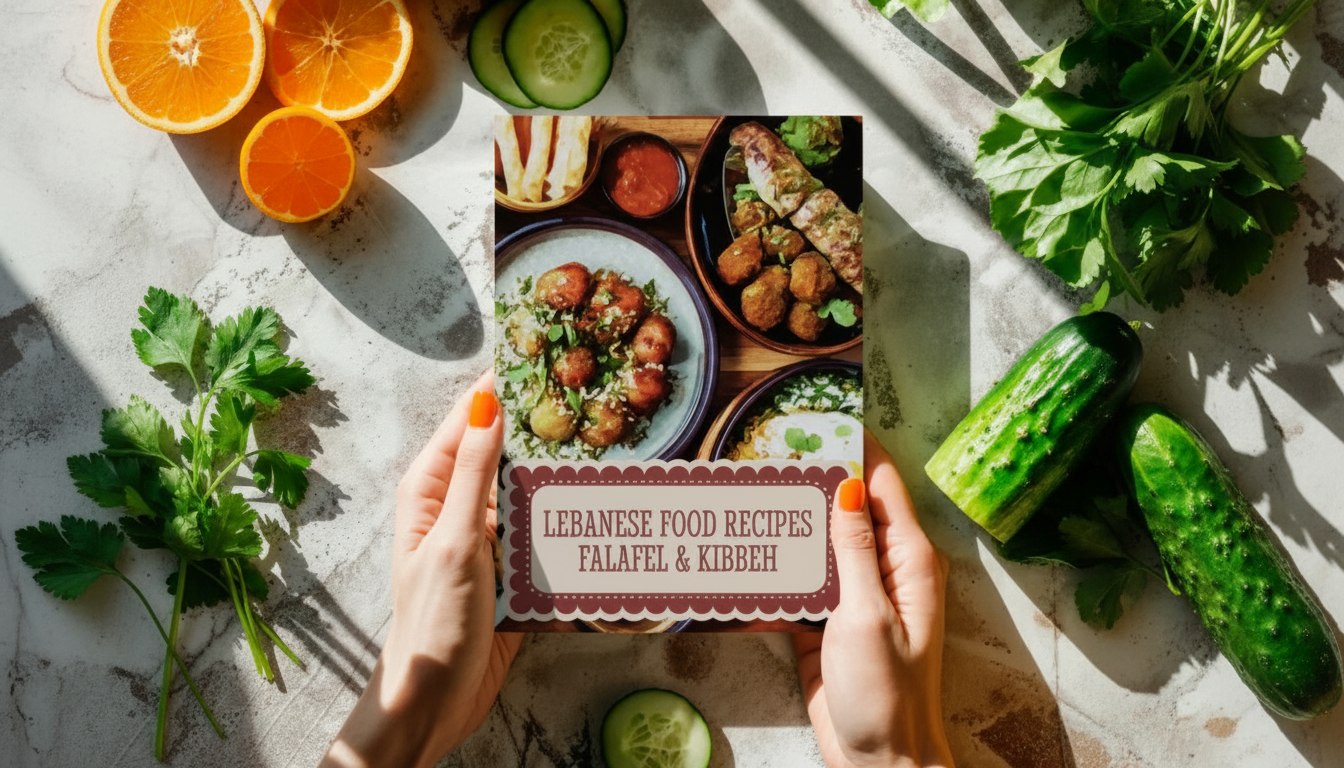
Crisp falafel, aromatic kibbeh, and a mezze spread built around bright herbs, lemon, garlic, and olive oil are some of the most loved staples of Lebanese cooking. With the right pantry staples and a few repeatable techniques, these dishes become weeknight-friendly and genuinely satisfying for guests. Below is a practical roadmap for cooking the classics at home—plus a ready-to-cook digital cookbook that helps you plan full meals without second-guessing timing, texture, or seasoning.
Lebanese food is often described as fresh and vibrant, but what makes it stand out at home is how easily it balances “bright” and “rich” components on the same table. You’ll see crisp vegetables and herbs alongside creamy dips, warm spices alongside tangy lemon, and toasted nuts scattered over everything from salads to meats.
For a quick primer on the country and its culinary crossroads, see Encyclopaedia Britannica: Lebanon.
Falafel and kibbeh are two of the most iconic “centerpieces” for a mezze night. They’re also the two dishes where technique makes the biggest difference—especially texture.
| Dish | Main base | Typical seasonings | Best cooking methods | Make-ahead friendly |
|---|---|---|---|---|
| Falafel | Soaked chickpeas + herbs | Cumin, coriander, garlic, parsley/cilantro | Fry, air-fry, bake | Yes (mix can be chilled; balls can be frozen) |
| Kibbeh | Bulgur + seasoned filling | Allspice, cinnamon, onion, pine nuts (optional) | Bake, fry, pan-sear | Yes (assemble ahead; bake when ready) |
Mezze feels abundant because it’s composed of many small items, not because any single recipe is complicated. A reliable formula keeps prep predictable and makes the table look “full” even when you’re only cooking one hot dish.
| Category | Ideas | Prep approach |
|---|---|---|
| Dips | Hummus, tahini-lemon sauce, garlic yogurt | Make 1 day ahead; stir before serving |
| Salads | Herb-forward chopped salad, tomato-cucumber | Chop close to serving for freshness |
| Hot bites | Falafel, baked kibbeh tray, spiced potatoes | Cook last; keep warm briefly |
| Bread & crunch | Pita, toasted pita chips, sesame bread | Toast just before serving |
| Pickles & extras | Olives, pickled turnips, sliced onions | Store-bought is fine; plate beautifully |
For food safety when cooking meat-based kibbeh, follow USDA FSIS safe minimum internal temperature guidelines.
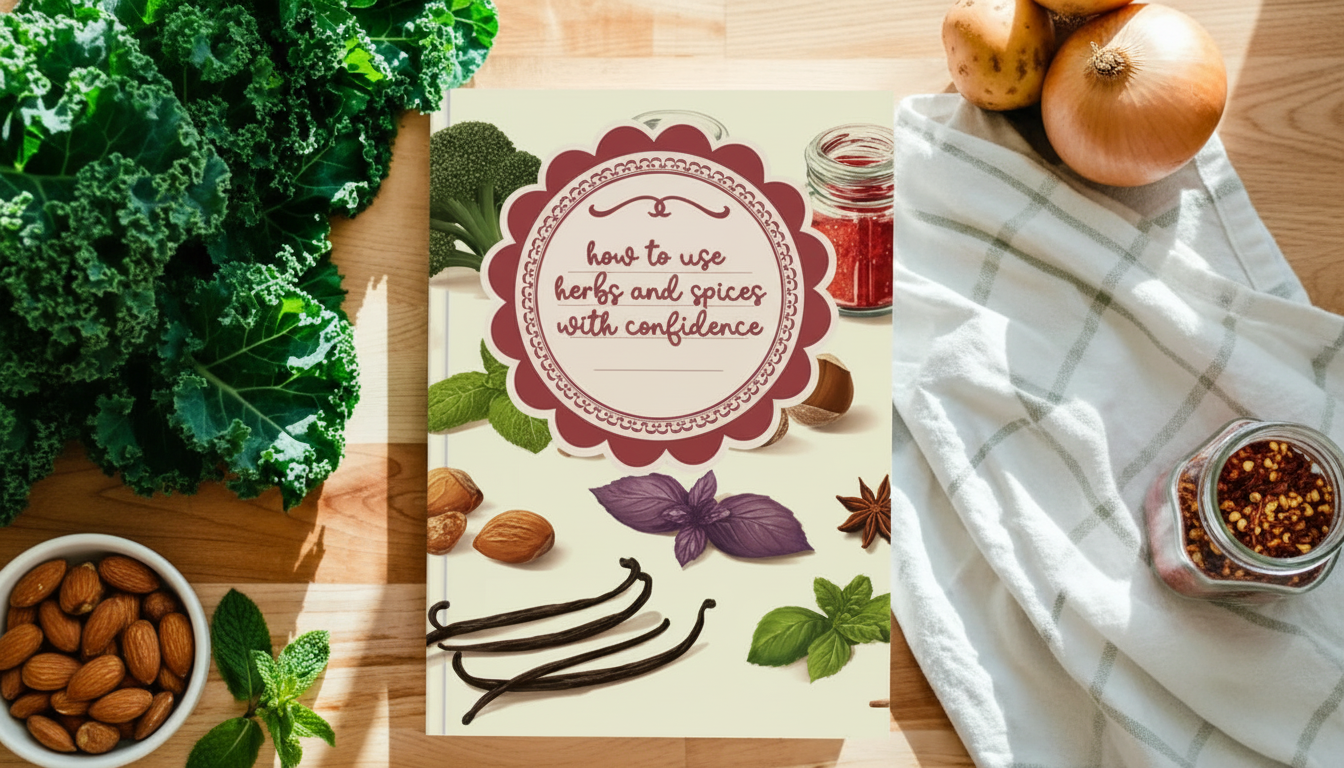
For cooks who want authentic results without guesswork, a focused eBook can be the fastest route from craving to a complete table. The Lebanese Food Recipes Falafel & Kibbeh eBook (digital download) is built for practical home cooking: clear recipes, foundational techniques, and meal-building guidance that makes mezze nights feel doable on a weeknight.
| Item | Format | Price | Availability |
|---|---|---|---|
| Lebanese Food Recipes Falafel & Kibbeh eBook | Traditional Middle Eastern Cookbook, Mezze Guide, Authentic Lebanese Cuisine Digital Download | Digital download (eBook) | $23.99 | In stock |
Deep-frying delivers the crispest shell and most classic texture. Air-frying can get impressively close with a light oil coating, while baking is the easiest but benefits from a generous brush of oil and a hot oven to improve browning and reduce dryness.
Yes—kibbeh can be assembled, covered, and refrigerated for short-term prep, then baked when you’re ready to serve. It also freezes well in portions; thaw in the refrigerator and reheat gently so the interior stays tender and the edges don’t dry out.
A simple starter mezze table can be one dip (like hummus or tahini-lemon sauce), one salad (tomato-cucumber or herb-forward), one hot bite (falafel or baked kibbeh), warm pita, and a plate of olives or pickles. That combination covers creamy, crunchy, hot, and bright flavors without overwhelming prep.








Leave a comment